
The answers your doctor didn't give you. Evidence-informed, root-cause focused, written for the person who never stopped asking why.
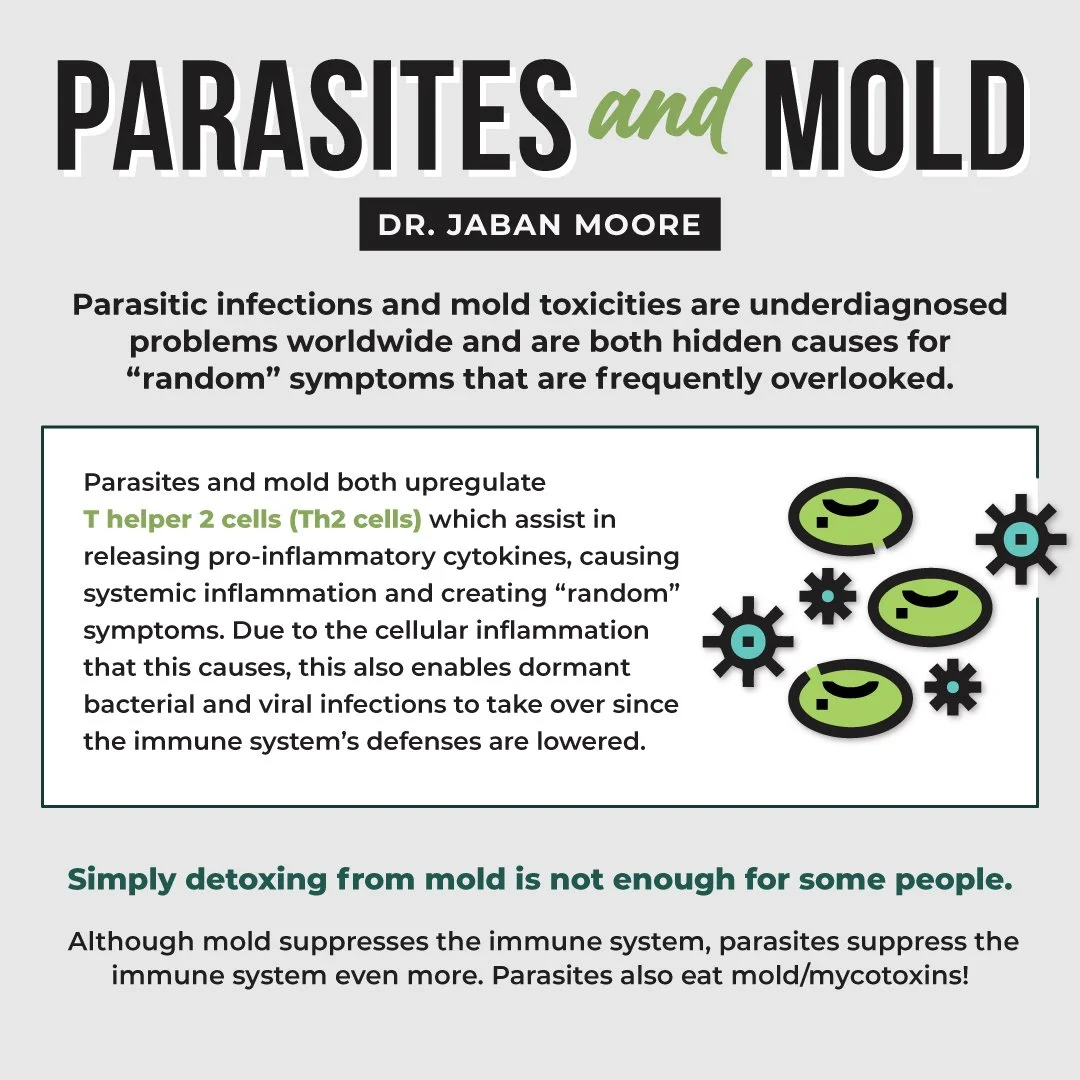
Parasitic infections and mold toxicities are underdiagnosed problems worldwide, both hidden causes of random symptoms that are frequently overlooked. Their vague, overlapping symptoms often get mistaken for other diagnoses, making them commonly missed root causes of chronic illness.
Read ArticleParasitic infections and mold toxicities are underdiagnosed problems worldwide, both hidden causes of random symptoms that are frequently overlooked. Their vague, overlapping symptoms often get mistaken for other diagnoses, making them commonly missed root causes of chronic illness.
Light is not just something you see, it is something your body uses. This conversation with Sunlighten co-founder Connie Zack explores what infrared light actually does inside the body to support detox, inflammation, pain, and the nervous system.

Up to one in three American adults do not get enough sleep, a problem linked to stress, infections, toxicities, and blue light. This guide explains why sleep matters and shares practical hacks to help you fall and stay asleep.
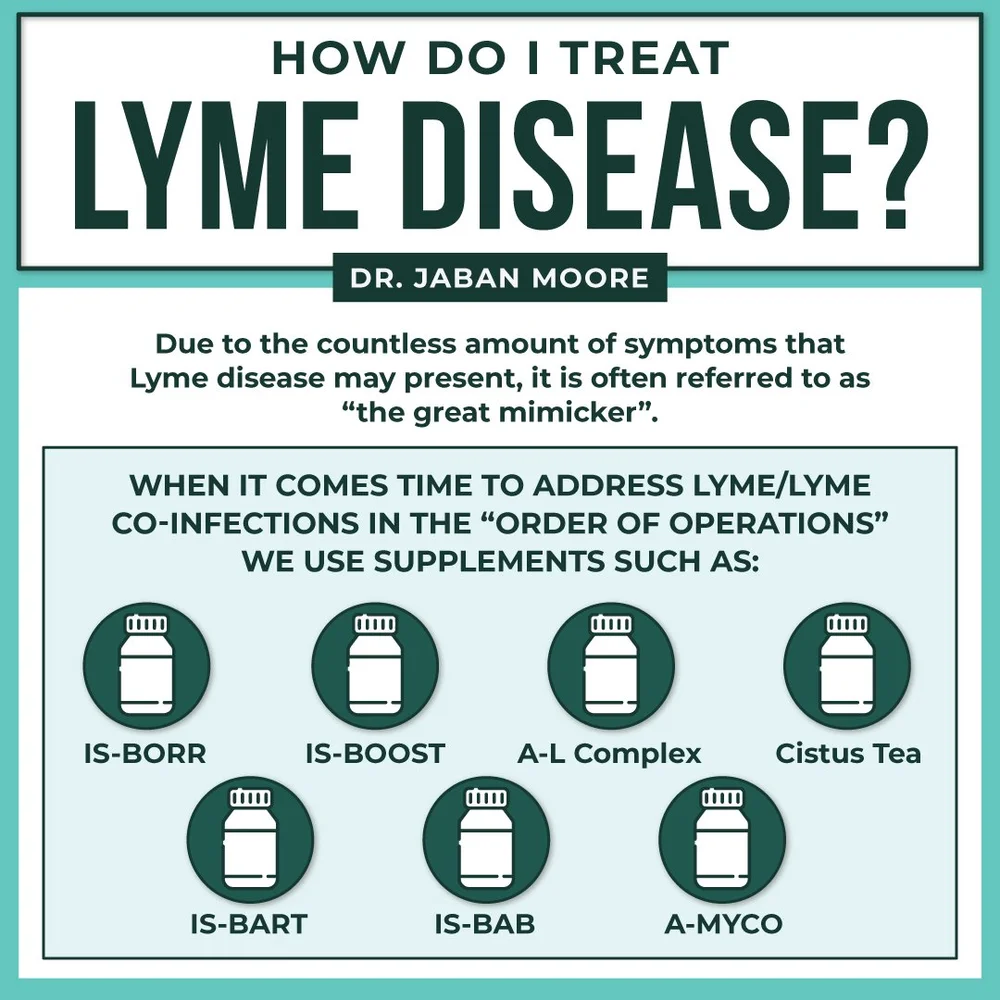
Lyme disease is the most common vector-borne illness in the United States and one of the most misunderstood. Known as the great imitator, it is hard to test and treat, requiring a careful root-cause order of operations to truly heal.

Unable to lose weight despite a clean diet and regular exercise? A parasitic infection may be the hidden cause, driving weight gain by spiking cortisol, suppressing the thyroid, creating insulin resistance, and triggering malabsorption and constant hunger.

Mycoplasma is the smallest free-living bacteria that infects humans, and with no cell wall it frequently evades standard testing. An opportunistic infection present in 82 percent of Lyme patients, it mimics many conditions and is routinely overlooked.

PANS and PANDAS can strike a seemingly healthy child almost overnight, bringing sudden OCD, rages, and regression. These are autoimmune responses triggered by infection or toxicity, not psychiatric or behavioral problems, and removing the trigger is key to healing.

Tried melatonin and better sleep hygiene without results? Mold toxicities and parasitic infections can significantly disrupt the quality and quantity of your sleep, depleting melatonin and causing the 3am waking, teeth grinding, and restlessness that keep you exhausted.

Feeling worse after starting a detox protocol is not a failure, but it also should not be pushed through blindly. Clogged drainage pathways, Herxheimer reactions, biofilm busting, supplement sensitivity, and the wrong order of operations can all explain it.

Fatigue is a signal, not a diagnosis. Every root cause of chronic fatigue, from parasites and mold to heavy metals, Lyme, and emotional trauma, converges on mitochondrial dysfunction, the collapse of the cell's ability to produce sustainable energy.
Lyme Disease is the most common vector-borne disease in the United States, with over 300,000 new cases per year. Caused by Borrelia bacteria and often called the great imitator, it is the most undiagnosed and misunderstood chronic illness in the country.

Fibromyalgia affects millions worldwide and conventional medicine has yet to find meaningful solutions. It is best understood not as a disease but as a cluster of symptoms that emerges when infections, dysbiosis, mold, or heavy metals disrupt the nervous and immune systems.

The preparation of food and the regulation of hygiene products has advanced in recent decades, making prepared foods and staple hygiene products easy to find. But convenience has a cost: many contain chemicals, additives, and preservatives known to harm human health.
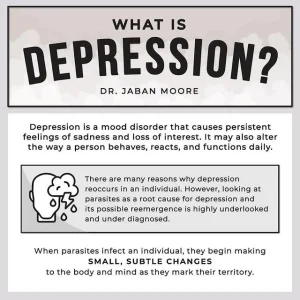
Depression is a mood disorder marked by persistent sadness and loss of interest, and new-generation antidepressants often fail to help. Parasites can drive depression by disrupting neurotransmitters, altering the gut microbiota, and causing systemic inflammation that reaches the brain.

If you have heavy metals, candida, bacteria, mold, or viral infections, you may be more susceptible to a parasitic infection. When the immune system is suppressed by these pathogens and toxins, parasites find it far easier to establish and persist.
Mold is a major root cause of chronic illness and autoimmune disease. Once the body is exposed, mold suppresses the immune system, creates chronic inflammation, and enables other toxins and pathogens to take hold. An estimated 50% of buildings have moisture damage.
Childhood trauma is associated with a 70% to 80% increased risk of adult hospitalization with an autoimmune disease. Cumulative adverse experiences keep the body's stress response switched on, driving nervous system and endocrine dysfunction that raises the risk of chronic illness.
A parasite lives on or in a host and feeds at its expense. Parasites are not just a problem in underdeveloped countries; they are extremely common in the United States, yet they routinely evade stool tests, colonoscopies, and the immune system itself.
The mitochondria are the powerhouse of the cell, converting oxygen and nutrients into ATP to fuel every organ system. When they stop working properly, the body runs out of fuel, producing chronic fatigue, brain issues, and a cascade of other symptoms.
Mold is a powerful catalyst for chronic illness, capable of sparking inflammatory reactions, reactivating dormant infections, and creating an environment where autoimmune conditions thrive. Along with the mycotoxins they release, mold drives oxidative stress and mitochondrial dysfunction.
The human brain is a complex network of 100 billion neurons that processes daily information. When a painful experience is not properly processed, the brain can transfer that pain to the body, creating discomfort, disease, and chronic illness.
With childhood illnesses on the rise, over 40% of children now have at least one chronic health condition. Even with healthy meals and regular movement, issues can arise, and ignored symptoms can follow a child into adulthood.
Your vagus nerve is the main component of your parasympathetic nervous system, your rest and digest state that governs mood, immune response, digestion, and heart rate. Stimulating it helps your body relax and return to balance after stress.
It's common to face trauma in life, whether physical like a car accident or emotional from childhood. When trauma is not dealt with properly, it becomes a lasting stressor that can weaken immunity and raise vulnerability to Lyme disease.
Mold is a fungus found indoors, outdoors, and even in food, and it can make you sick. The mycotoxins it produces have both short and long term consequences, and hidden mold in your home could quietly be damaging your health.
You are only as healthy as your cells. Mitochondria are tiny organelles that create ATP, the fuel that drives about 90% of the body's functions. When they falter from toxins or nutrient deficiencies, your energy and health decline.
PANS and PANDAS are infection-triggered forms of autoimmune brain inflammation, and cases are rising. They can be set off by strep, Lyme, and viruses, or by toxins and mold. Functional medicine targets the root cause rather than just symptoms.
If you eat healthy yet still struggle with digestive issues like gas, bloating, or diarrhea, oxalates may be the hidden culprit. These natural plant compounds aren't a problem for everyone, but sensitive people can develop real symptoms from them.
When we're sick, we focus on the big picture like fatigue and brain fog, but often miss the smaller details. Growing research points to mitochondrial damage as an underlying cause of many diseases, making mitochondria a key to optimizing health.
Rocky Mountain spotted fever is a bacterial infection spread by infected tick bites, and cases have risen almost every year since the 2000s. Left untreated it can turn deadly, so prevention and prompt care are essential when heading outdoors.
Heavy metals are dense metallic elements found naturally in the earth. In small amounts the body can excrete them, but today industry exposes us to levels far higher than our bodies can safely detoxify.
PANS and PANDAS are neuropsychiatric conditions in children triggered by infections and toxins, causing sudden onset OCD, tics, anxiety, and behavioral regression, seemingly overnight. This article explains the triggers and a functional path to recovery.
Mold and its toxic byproducts suppress the immune system over time. Up to 25% of people carry an HLA gene variant that leaves them less able to detoxify mold biotoxins, driving a wide range of chronic symptoms.
Strongyloides, the threadworm, is a microscopic parasitic intestinal worm infecting 30-100 million people worldwide. It enters through the skin, can reinfect its host for decades, and is one of the most difficult parasites to treat.
Mold exposure is one of the main factors in unresolvable chronic Lyme disease. Mycotoxins keep the body inflamed and distract the immune system, making Lyme nearly impossible to clear until mold is addressed too.
Babesia is an intracellular parasite that burrows into red blood cells and hides from the immune system, causing hemolytic anemia and air hunger. It is one of the most common Lyme co-infections, transmitted by ticks.
Ehrlichia, the third most common Lyme co-infection, is a bacteria that invades and hides inside white blood cells. It evades the immune system and can become a chronic, sometimes serious, tick-borne illness.
Bartonella is a pathogenic bacteria spread by ticks, fleas, lice, and pet scratches. Known as cat scratch fever, it is the second most common Lyme co-infection and can drive neurological, autoimmune, and inflammatory symptoms.
Neutralizing and removing toxins is a key step in detoxification. Toxins come from man-made chemicals, heavy metals, and microbial infections, and binders that also act as chelators help safely escort them out of the body.
Lyme disease is an American health epidemic that is hard to diagnose because its symptoms are vast and mimic many other conditions. Caused by the Borrelia spirochete, it varies widely from person to person.